Ceiling Mold Removal in Essex County, NJ
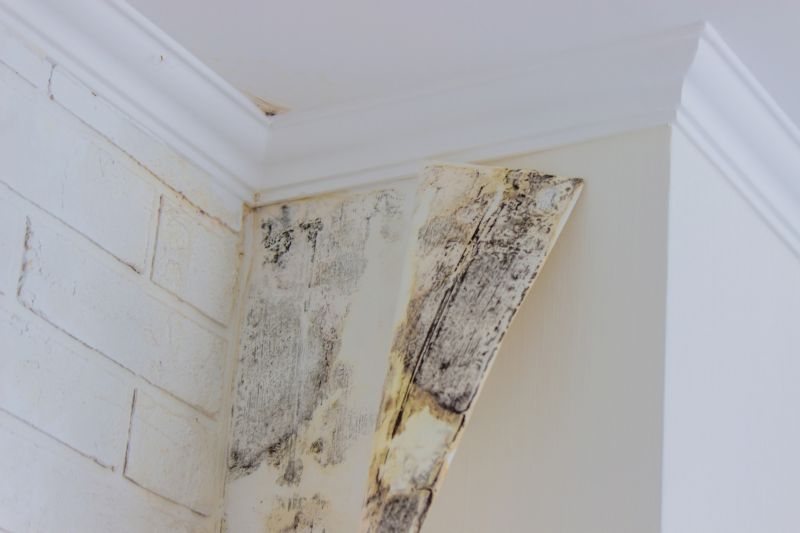
Ceiling mold removal services focus on identifying and eliminating mold growth that appears on or within ceiling surfaces. This type of project typically involves inspecting for signs of mold, such as discoloration, staining, or a musty odor, and then safely removing the mold to improve indoor air quality and prevent further damage. Property owners often request this service in areas with high humidity, water leaks, or past flooding, where mold tends to thrive on ceilings, especially in bathrooms, kitchens, or basements.
Before requesting ceiling mold removal, homeowners should understand the extent of the mold growth and whether there are underlying moisture issues contributing to the problem. It is also helpful to know if the mold is confined to the ceiling surface or has penetrated deeper into the drywall or structural components. Proper assessment ensures that the removal process addresses both the visible mold and any moisture sources to prevent recurrence, helping maintain a healthier living environment.
Many property owners in Essex County, NJ look into Ceiling Mold Removal for repairs, replacements, upgrades, and appearance-related improvements.
Identifying Ceiling Mold
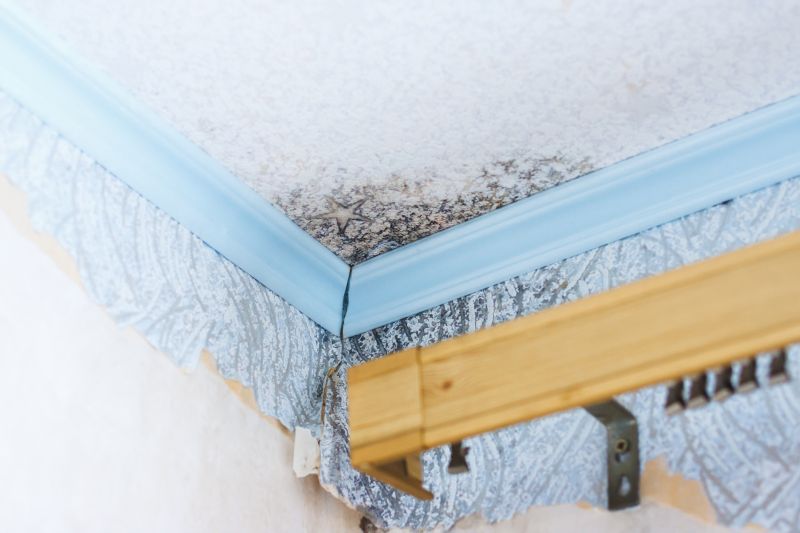
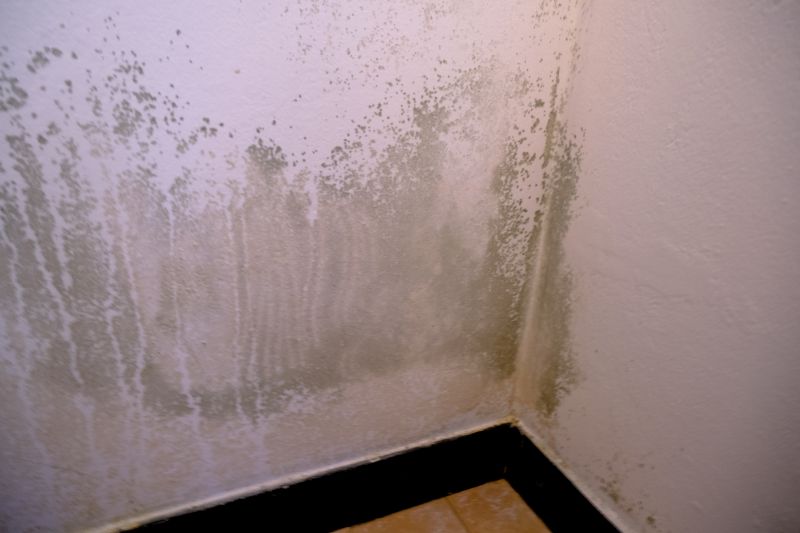
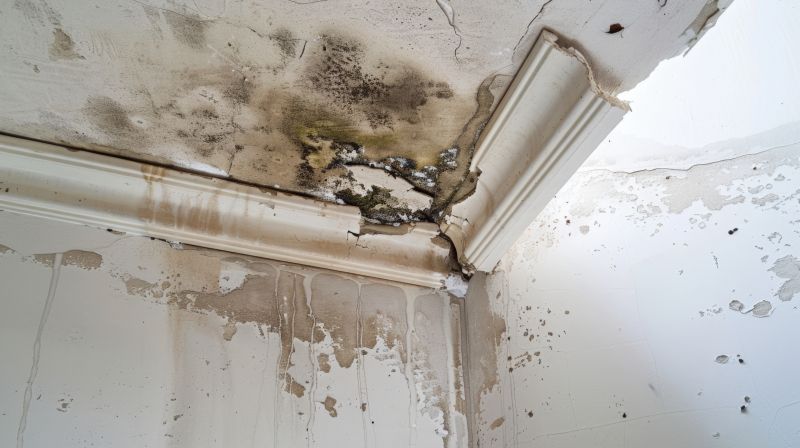
Recognizing signs of mold growth on ceilings helps maintain a healthy home environment.
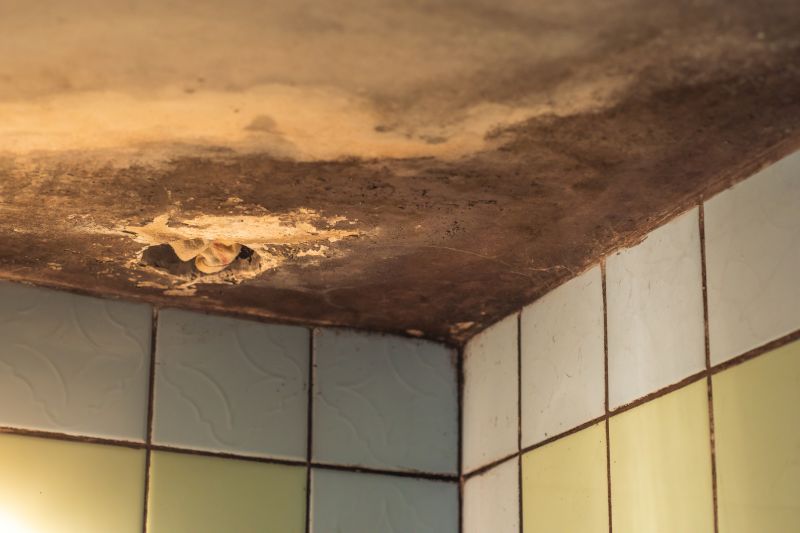
Mold Removal Solutions
Professional services safely eliminate mold and prevent future growth in residential and commercial spaces.
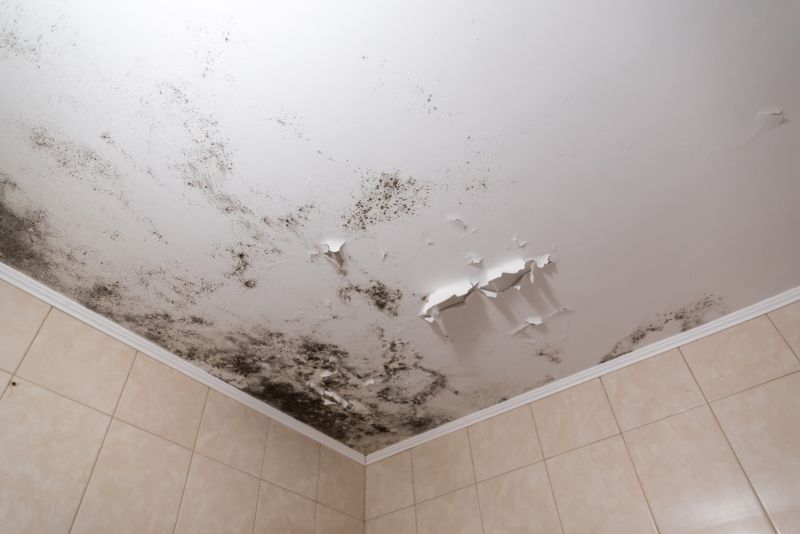
Preventing Ceiling Damage
Addressing moisture issues and mold early can protect ceilings from structural deterioration in essex county homes.
Ceiling Mold Removal in Essex County, NJ
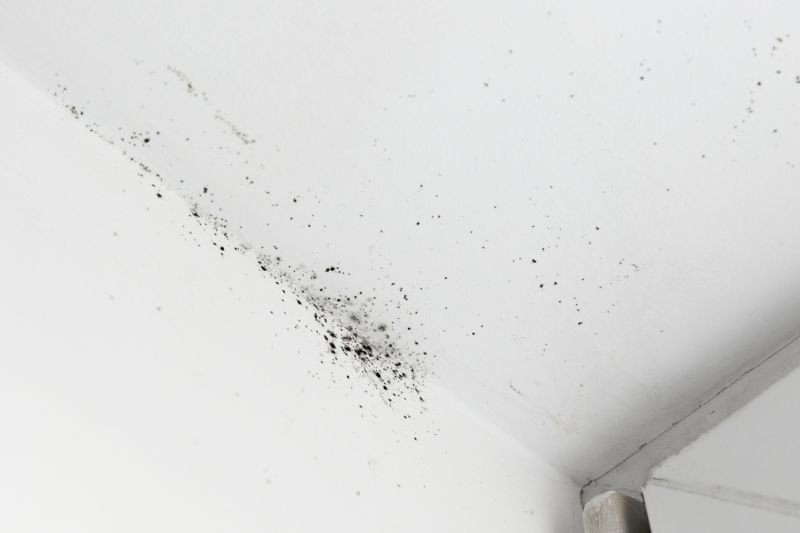
Ceiling mold removal services focus on identifying and eliminating mold growth that appears on or within ceiling surfaces. This type of project typically involves inspecting for signs of mold, such as discoloration, staining, or a musty odor, and then safely removing the mold to improve indoor air quality and prevent further damage. Property owners often request this service in areas with high humidity, water leaks, or past flooding, where mold tends to thrive on ceilings, especially in bathrooms, kitchens, or basements.
Before requesting ceiling mold removal, homeowners should understand the extent of the mold growth and whether there are underlying moisture issues contributing to the problem. It is also helpful to know if the mold is confined to the ceiling surface or has penetrated deeper into the drywall or structural components. Proper assessment ensures that the removal process addresses both the visible mold and any moisture sources to prevent recurrence, helping maintain a healthier living environment.
Many property owners in Essex County, NJ look into Ceiling Mold Removal for repairs, replacements, upgrades, and appearance-related improvements.
Common Ceiling Mold Removal Jobs
Ceiling mold removal - addresses mold growth caused by moisture and humidity.
Water damage cleanup - removes mold resulting from leaks or flooding incidents.
Home renovation projects - ensures mold-free ceilings during remodeling or upgrades.
Asbestos and hazardous material removal - safely eliminates mold and other contaminants from ceilings.
Mold inspection and assessment - identifies mold presence and guides effective removal strategies.
Mold prevention services - helps maintain a healthy ceiling environment and reduces future growth.
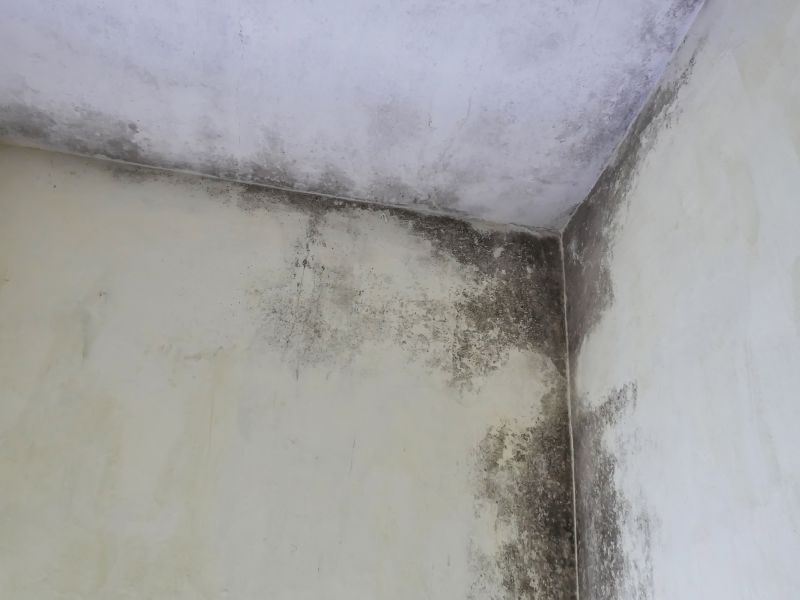
Ceiling Mold Removal Questions
What causes ceiling mold? Ceiling mold typically results from excess humidity, water leaks, or poor ventilation in the space.
How can mold be identified on ceilings? Mold appears as dark spots, discoloration, or fuzzy patches on the ceiling surface.
Is mold removal safe for my home? Professional removal ensures mold is properly cleaned and the source of moisture is addressed to prevent recurrence.
What types of ceilings are treated for mold? Mold removal services can be applied to various ceiling types, including drywall, plaster, and suspended ceilings.
Request Ceiling Mold Removal in Essex County, NJ
Use the quote form on this page to share the basics of your project and request more information for the type of work you need.